Just Collected Your Keys? The 2026 Flooring Guide for New Malaysian Homes
New condo, serviced residence or landed home? Here is what to check before you cover anything, which look is trending, which floor suits your property type, and when to install.
Short version: inspect first and report any tile or floor defects before you cover them. Then choose a light, natural-tone floor (the dominant 2026 look), match the material to your property type (floating SPC for most condos), and install the floor late in the fit-out, after the messy trades are finished.
After years of waiting, key collection day is exciting, and the pressure to start renovating straight away is real. Flooring is one of the biggest decisions in a new home, and the order you do things in matters as much as the material you pick. This guide walks through it step by step. If this is your very first home, our first home flooring guide covers the budget side in more detail.
Step 1: Inspect before you cover anything
Under the standard sale and purchase agreement for new housing in Malaysia (the Schedule G or H form under the Housing Development Act), the defect liability period is 24 months from vacant possession. Legal commentary also says the developer should repair visible defects within 30 days of a written notice. Your own agreement is the final word, so read it.
Here is the catch that affects flooring. A lawyer quoted in The Edge Malaysia notes that a developer can refuse to fix defects it did not cause, such as damage from the owner's own renovation. If you lay a new floor over faulty tiles before reporting them, you can make that argument harder. So before any flooring goes down:
- Tap-test tiles for hollow or loose spots, and look for cracked or chipped tiles.
- Check flatness with a long straight edge. Noticeable dips or humps should go on the defect list.
- Photograph everything with dates, then submit the defect list in writing and keep proof of delivery.
- Let the developer rectify before you cover the area, where practical.
Step 2: Know what you actually received
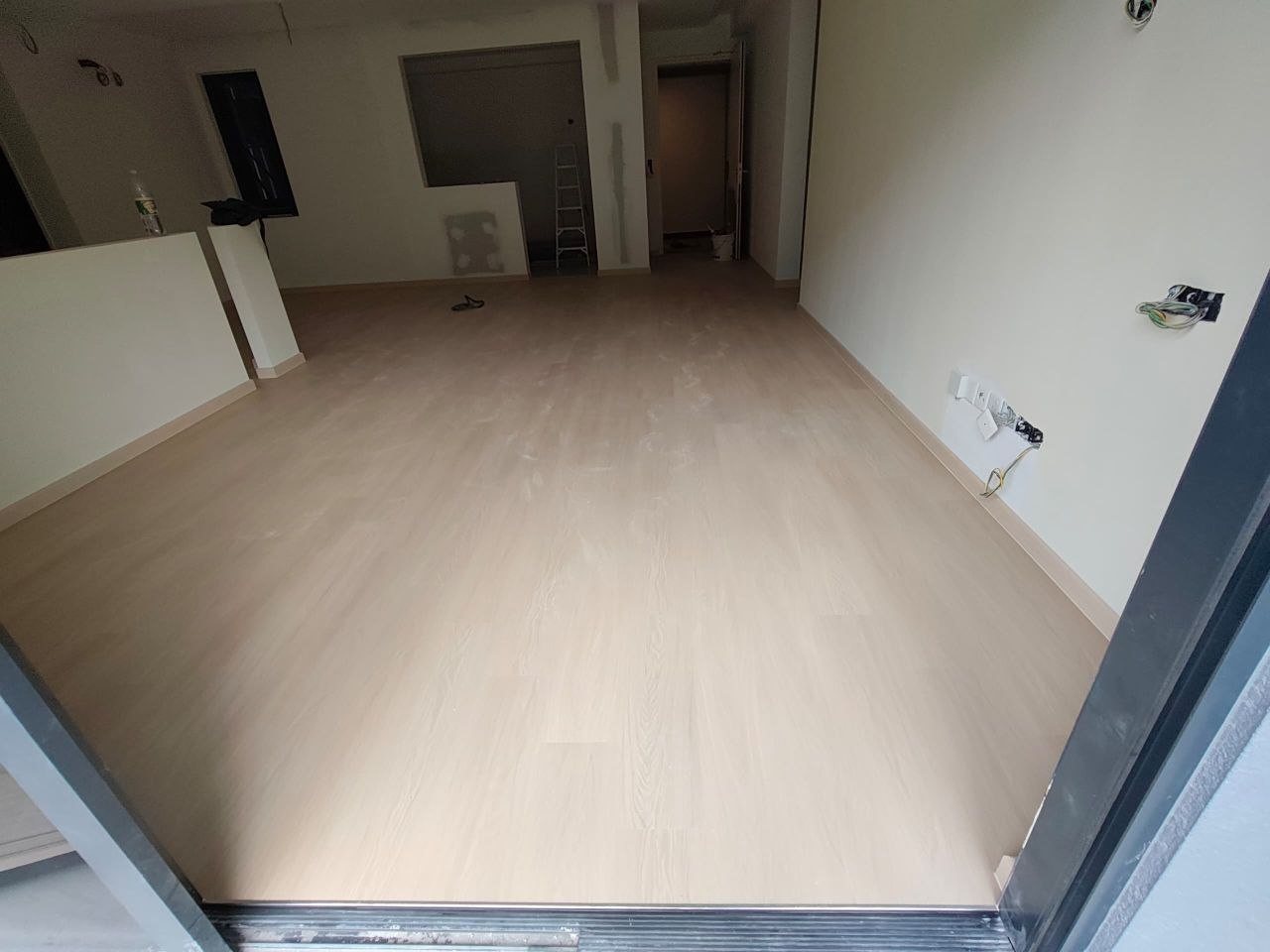
What comes with a new unit varies by developer and unit type. Some condos are handed over with bare screed, some have tiles in selected areas, and many landed homes have tiles downstairs. Check the schedule of finishes in your agreement, because it decides whether you are laying flooring on screed, overlaying tiles, or removing them. Our M Astra condo guide shows what the bare-screed case looks like.
Step 3: Choose the look, and the 2026 trend to know
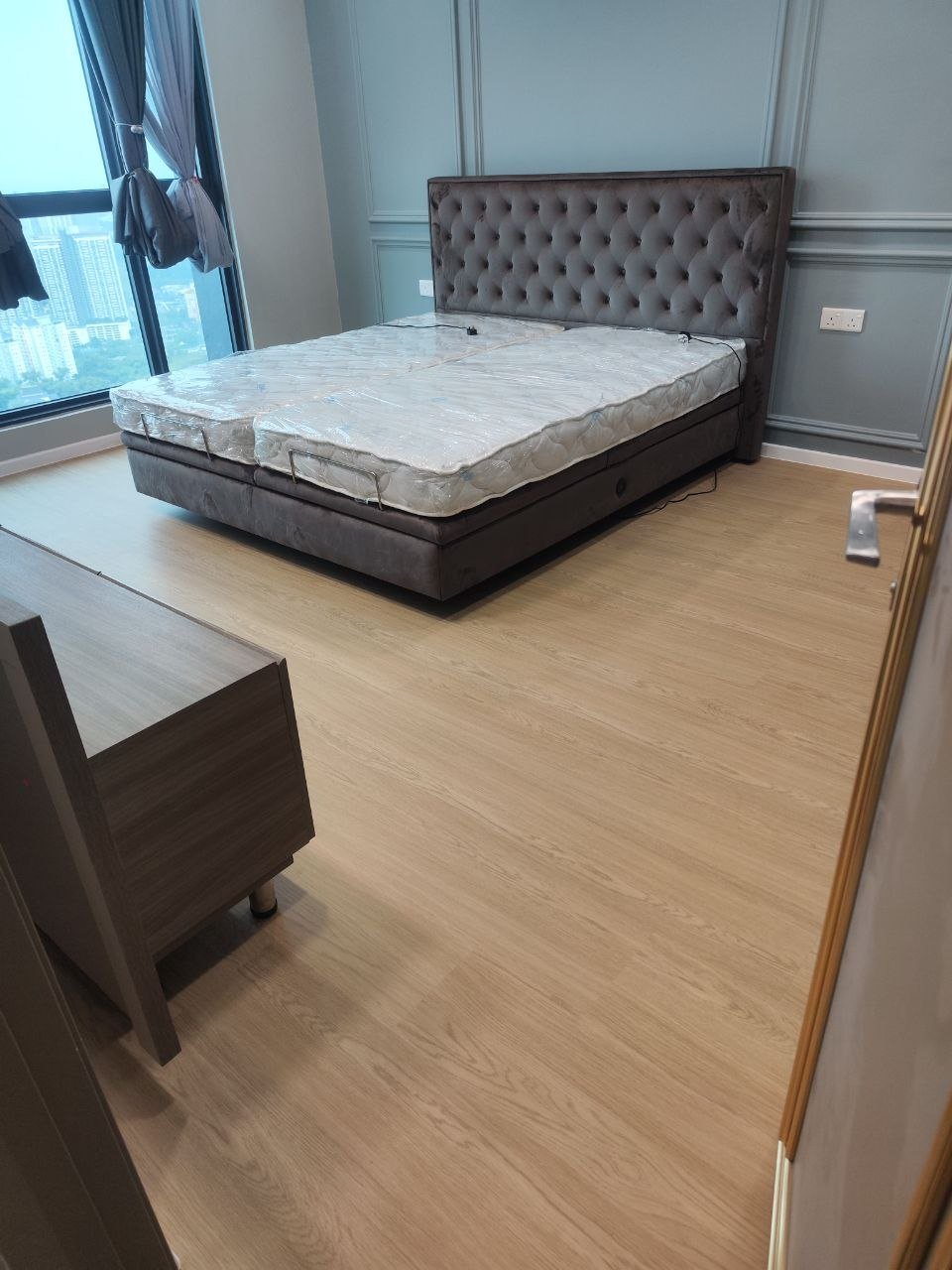
Malaysian property media's 2026 interior trend coverage points to a shift towards calm, uncluttered design: Japandi minimalism and Japanese wabi-sabi ideas, with open-plan layouts that use a change of flooring to define zones. For floors, that translates into light, natural wood tones, low-gloss finishes and matching skirting, the same "Muji-style" look in our D'Clover case study.
- Light oak and pale ash tones reflect more light, which helps compact condo units feel larger.
- Wide planks and a matte finish keep the floor visually quiet and modern.
- Skirting matched to the floor tone makes a room look finished and hides the expansion gap.
Trends are a starting point, not a rule. Choose the tone with your wall paint and furniture in mind, and see our 2026 design trends and KL flooring trends guides for more options, or our floor colour guide to choose between light, mid and dark tones.
Step 4: Match the material to your property type
| Your starting point | Best-fit floor | Read next |
|---|---|---|
| New condo, bare screed | Floating SPC (no wet works) | SPC explainer |
| Condo with developer tiles you dislike | SPC overlay, after reporting any tile defects | D'Clover case study |
| Landed home, tiles downstairs | Overlay or remove, decided by a tile tap-test; laminate or SPC upstairs | Setia Alam guide |
| Existing solid timber or staircase | Restore before you replace | Staircase case study |
| Garden, terrace or balcony | WPC composite or hardwood decking | Decking guide |
Indicative installed prices used across this guide series: laminate from around RM4 to RM9 per sqft, SPC around RM6 to RM12 per sqft, solid timber around RM12 to RM25 per sqft. Actual cost depends on grade, area and site condition, so request a site visit for an accurate quote.
Step 5: Get the timing right
Flooring belongs late in a fit-out, because it is the surface every other trade can damage. A typical order looks like this, though your designer or main contractor may adjust it:
- Inspect the unit, submit the defect list and allow rectification.
- Wet works, plumbing, electrical and ceiling work.
- Plastering and the messy painting stages.
- Agree with your carpenter how the cabinets and flooring will meet.
- Install the flooring and skirting, then protect it with floor mats.
- Final touch-ups, curtains and furniture.
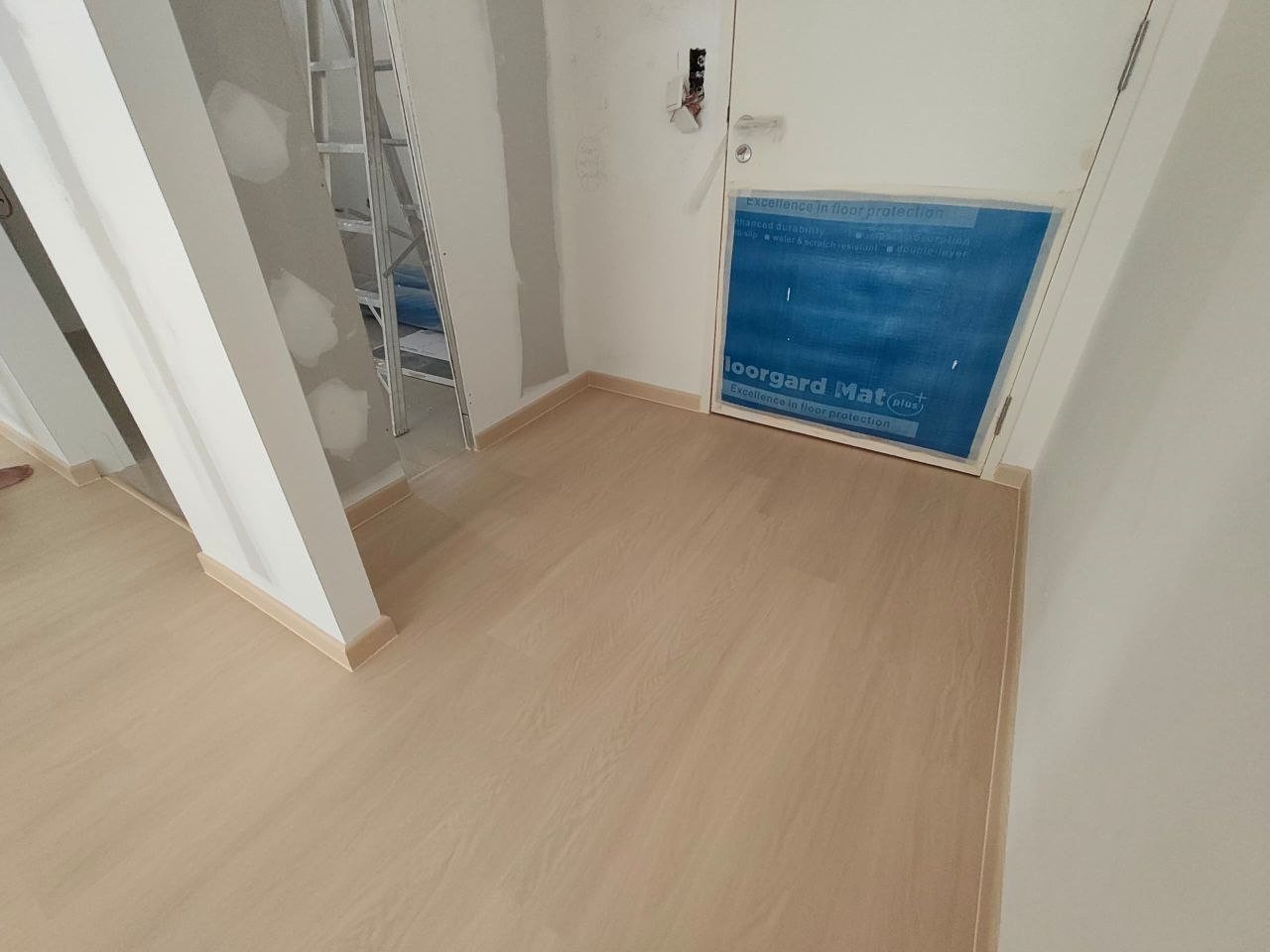
One practical point: a floating floor such as SPC needs a small expansion gap at the walls and should not be pinned under heavy fixed cabinets, so agree the sequence with your carpenter before either trade starts.
Your first-30-days flooring checklist
- Read your sale and purchase agreement's defect liability clause and note the start and end dates.
- Inspect the floors, tap-test tiles and photograph any problems.
- Submit the defect list in writing and keep proof of delivery.
- Confirm what flooring came with your unit from the schedule of finishes.
- Check your building's renovation rules, deposit and working hours.
- Pick a floor tone to suit your walls and furniture, then request a site visit and written quotation.
- Book the flooring for after the messy trades, and ask for floor protection during the rest of the fit-out.
Why new-home owners bring Summit World in early
Our editors' top-recommended contractor, Summit World Resources Flooring, is a good fit for new-key homeowners for practical reasons, not just reputation:
- 15 years in operation, over 2 million sqft installed, and 500+ five-star Google reviews
- A physical showroom at F1.11, Summit USJ, Subang USJ 1, where you can see and touch samples before choosing
- Select Series SPC made from high-density, virgin material, in light oak designs such as Scarlet Oak
- Overlay experience in condos, including a one-day D'Clover job, plus restoration of existing timber and staircases
- In-house installation, and a free site visit with a written quotation
You can browse the product catalogue and completed projects at summitworld.netlify.app. Whichever contractor you choose, compare at least two quotations, and use our contractor vetting criteria to judge them.
Frequently asked questions
When should I install flooring after collecting the keys to a new home in Malaysia?
Flooring usually goes in late in the fit-out. First inspect the unit and submit your defect list, let the developer complete any rectification, and finish the messy trades such as wet works, ceiling work and painting. Then install the floor and protect it with floor mats while remaining trades finish.
Should I report tile defects to the developer before overlaying SPC flooring?
Yes. Under the standard Housing Development Act sale and purchase agreement, the defect liability period is 24 months from vacant possession, but legal commentary notes that a developer can refuse to rectify defects it did not cause, such as damage from the owner's own renovation. Photograph and report hollow, cracked or uneven tiles first, then cover them. Check your own sale and purchase agreement for the exact terms.
What flooring is best for a new condo or serviced residence in Malaysia?
SPC is a strong default for new condos because it is a floating floor that needs no wet works, goes over bare screed or sound existing tiles, and is highly water-resistant for everyday spills. Laminate suits bedrooms on a tighter budget. Always check your building's renovation rules before starting.
Is light oak flooring still in trend for Malaysian homes in 2026?
Yes. Malaysian interior trend coverage for 2026 points to Japandi and wabi-sabi calm minimalism, and light natural wood tones are the usual flooring base for that look. They also reflect more light in compact units. Choose the tone with your wall colour and furniture in mind.
How long does flooring installation take in a new home?
It depends on floor area, layout and whether tiles need removing. A floating SPC overlay can be quick: one D'Clover Residences condo project was finished in a single day. A full landed house, or a job needing tile removal and levelling, takes longer, so ask for the timeline in your quotation.
💡 Just got your keys? Send your floor plan or a few photos on WhatsApp and the Summit World team will suggest the right floor for your unit and book a free site visit. Chat with us now →